Dead Tree Removal in Doylestown, PA
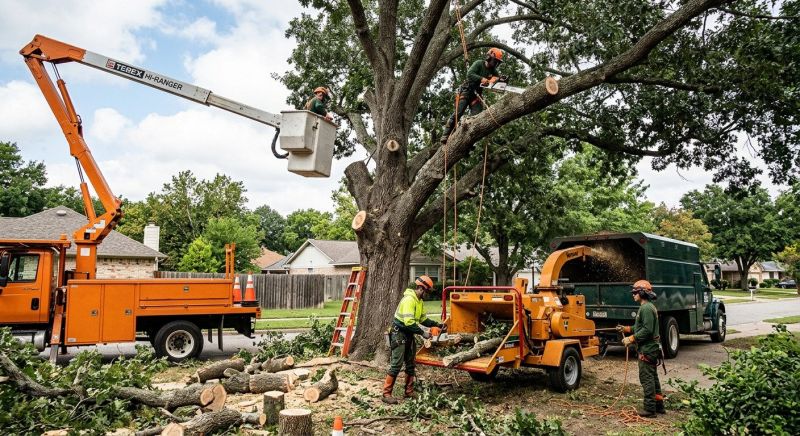
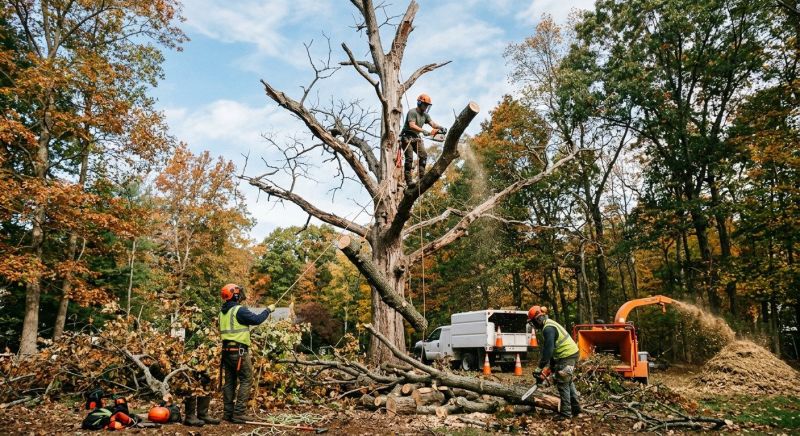
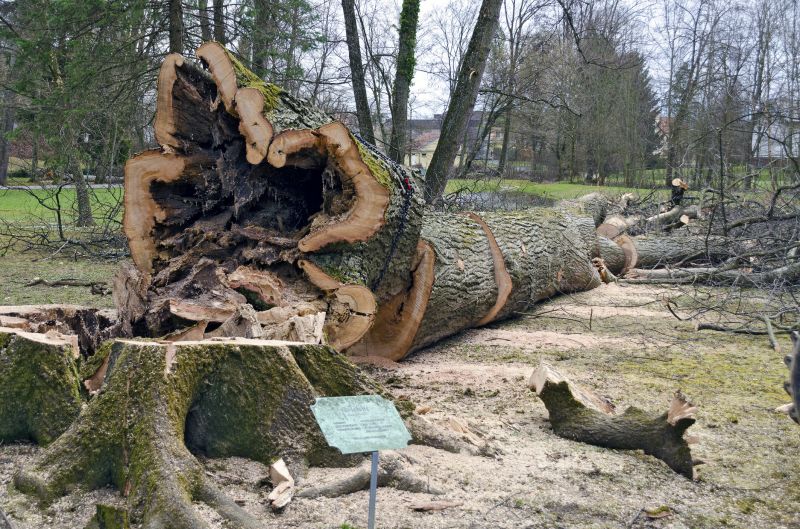
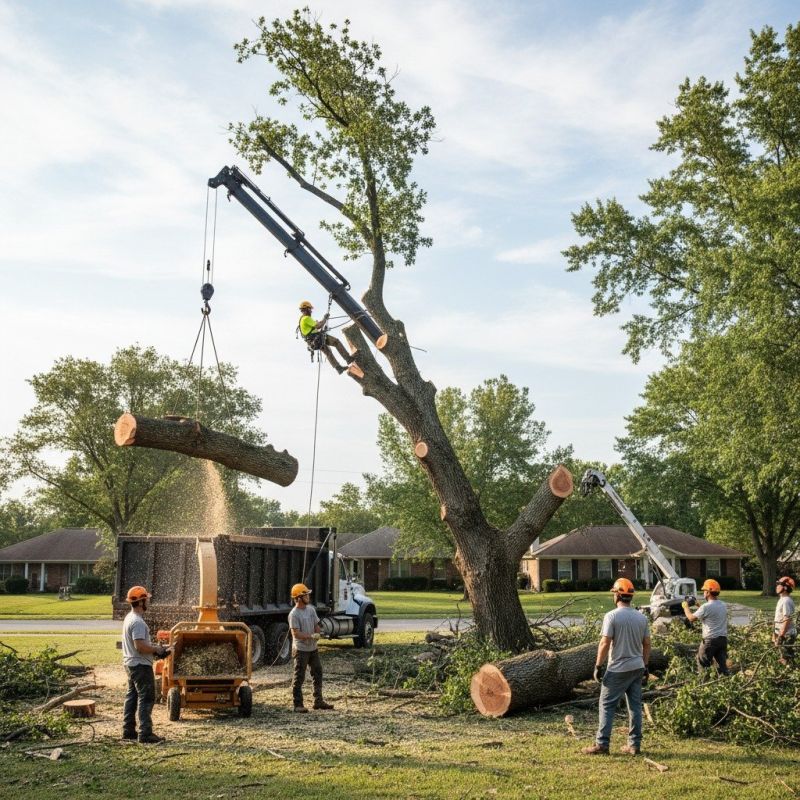
Dead tree removal services involve the safe and efficient removal of trees that have died, become hazardous, or pose a risk to property and safety. This type of project typically includes assessing the condition of a tree, planning the best approach for removal, and then carefully cutting and extracting the dead or decaying tree. Homeowners often request this service when a tree shows signs of disease, extensive decay, or damage from storms, and want to prevent potential hazards such as falling branches or the tree itself collapsing onto structures or pathways.
Before requesting dead tree removal, property owners should consider the location of the tree, nearby structures, and the potential impact on landscaping or utilities. It is also helpful to understand whether the removal will involve stump grinding or if additional work is needed to restore the area. Clear communication about the tree’s size, health condition, and the purpose of removal can assist in planning a safe and effective project that aligns with property maintenance goals.
Many property owners in Doylestown, PA look into Dead Tree Removal for repairs, replacements, upgrades, and appearance-related improvements.
Dead Tree Removal Services
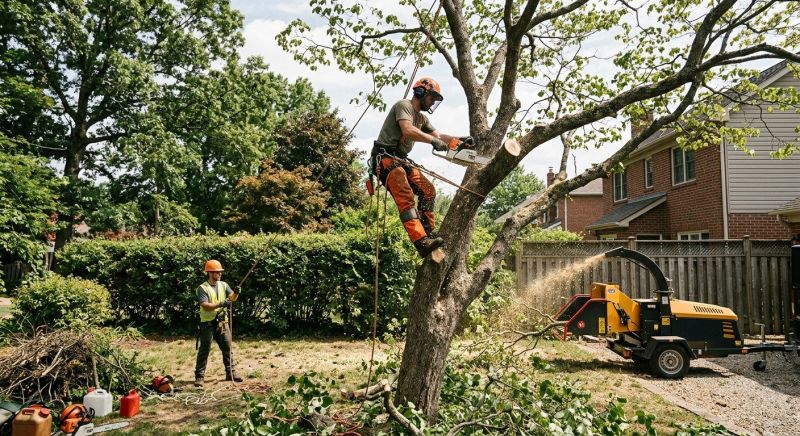
Examples of dead tree removal work property owners may explore in doylestown, pa.
Dead Tree Removal Updates
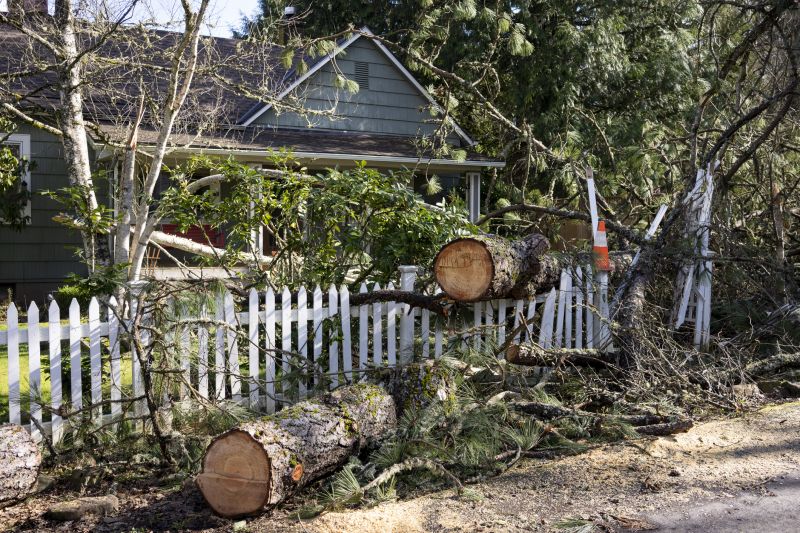
Common ways people refresh, improve, or restore dead tree removal features in doylestown, pa.
Dead Tree Removal Options
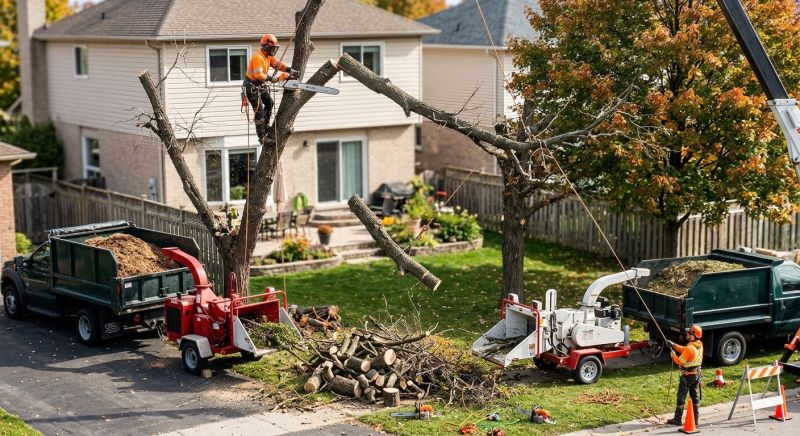
Different styles, layouts, and finishes people consider for dead tree removal in doylestown, pa.
Dead Tree Removal in Doylestown, PA
Dead tree removal services involve the safe and efficient removal of trees that have died, become hazardous, or pose a risk to property and safety. This type of project typically includes assessing the condition of a tree, planning the best approach for removal, and then carefully cutting and extracting the dead or decaying tree. Homeowners often request this service when a tree shows signs of disease, extensive decay, or damage from storms, and want to prevent potential hazards such as falling branches or the tree itself collapsing onto structures or pathways.
Before requesting dead tree removal, property owners should consider the location of the tree, nearby structures, and the potential impact on landscaping or utilities. It is also helpful to understand whether the removal will involve stump grinding or if additional work is needed to restore the area. Clear communication about the tree’s size, health condition, and the purpose of removal can assist in planning a safe and effective project that aligns with property maintenance goals.
Many property owners in Doylestown, PA look into Dead Tree Removal for repairs, replacements, upgrades, and appearance-related improvements.
Common Dead Tree Removal Jobs
Dead Tree Removal - safely removes hazardous or dead trees to protect property and safety.
Emergency Tree Removal - handles urgent removals after storms or damage to prevent further risks.
Stump Grinding - eliminates tree stumps to improve yard appearance and facilitate landscaping.
Selective Tree Removal - removes specific trees to manage overgrowth or improve landscape health.
Tree Debris Cleanup - clears fallen branches and deadwood to maintain a tidy property.
Property Clearance - removes multiple dead trees for site preparation or development projects.
Dead Tree Removal Questions
Why remove dead trees from a property? Dead trees can pose safety hazards, attract pests, and detract from the landscape’s appearance.
What signs indicate a tree needs removal? Signs include dead or dying branches, visible decay, leaning, or cracked trunk sections.
Is dead tree removal necessary for safety? Yes, removing dead trees helps prevent potential damage or injury caused by falling branches or the entire tree.
What should property owners consider before removal? It’s important to assess the tree’s location, size, and potential impact on nearby structures or utilities.
Request Dead Tree Removal in Doylestown, PA
Use the quote form on this page to share the basics of your project and request more information for the type of work you need.